Expert Tips for Effective Pressure Washing: A Complete Guide


Understanding Pressure Washing
Pressure washing is a powerful method to clean surfaces efficiently, using the force of water to remove dirt, grime, mold, and stains. It's an excellent way to rejuvenate your property's exterior, making it look fresh and new.
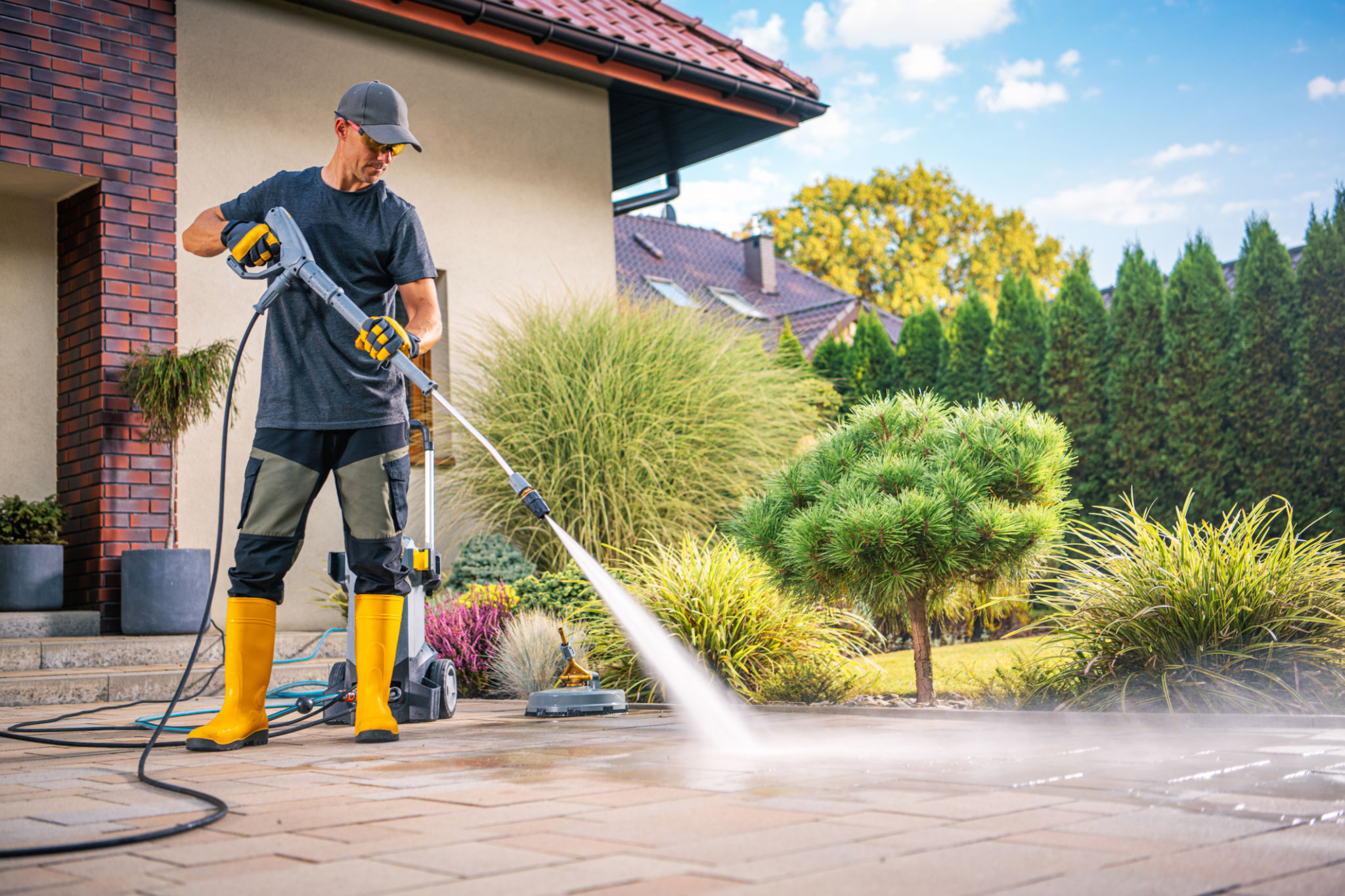
The key to effective pressure washing lies in understanding the equipment and the surfaces you are working with. A pressure washer uses either electric or gas power to pressurize water, which is then sprayed through a nozzle. Different nozzles offer various spray patterns, each suitable for specific cleaning tasks.
Choosing the Right Equipment
Selecting the right pressure washer is crucial for achieving the best results. Consider factors like the machine's power, measured in PSI (pounds per square inch), and GPM (gallons per minute). Higher PSI and GPM ratings indicate a more powerful washer, suitable for tougher cleaning jobs.
For residential use, an electric pressure washer is usually sufficient. However, for commercial or heavy-duty tasks, a gas-powered washer might be more appropriate. Always ensure the equipment is in good working condition before starting your project.
Nozzles and Attachments
Nozzles play a vital role in pressure washing as they determine the spray angle and intensity. Common nozzle types include:
- 0-degree: Produces a very concentrated spray, ideal for tough stains but can damage surfaces if used improperly.
- 15-degree: Good for removing paint and heavy dirt.
- 25-degree: Suitable for general cleaning tasks.
- 40-degree: Best for light cleaning and rinsing.

Preparing the Area
Proper preparation is essential for a successful pressure washing project. Start by clearing the area of any obstacles, such as furniture, vehicles, or debris. Cover plants and delicate surfaces with plastic sheeting to protect them from water and debris.
Inspect the surfaces you'll be cleaning for any signs of damage or deterioration. Pressure washing can exacerbate existing issues, so it's crucial to address these before proceeding.
Safety Measures
Always prioritize safety when pressure washing. Wear protective gear, including goggles, gloves, and sturdy footwear. Be cautious of electrical outlets and cords, and never point the spray at people or pets.

Pressure Washing Techniques
Effective pressure washing requires the right technique. Hold the spray gun at a consistent distance from the surface, usually about 6 to 12 inches, to avoid damaging the material. Use a sweeping motion, and overlap each pass slightly for even coverage.
For vertical surfaces like walls or fences, start from the bottom and work your way up. This prevents streaks and ensures thorough cleaning. Adjust the nozzle and pressure settings based on the surface you're cleaning to achieve the best results.
Post-Cleaning Care
After pressure washing, allow surfaces to dry completely. Inspect them for any missed spots or areas that may need additional attention. Regular maintenance, such as sealing or repainting, can extend the life of your surfaces and keep them looking great.
By following these expert tips, you can leverage the full potential of pressure washing, making your home or business shine like new.
